

Okay, so check this out—I’ve been in the wallet game a long time. Wow! The first impression was immediate. Really? The UI felt slow and clunky. My instinct said something was off about how networks were handled. Initially I thought a one-wallet-fits-all approach was fine, but then realized user experience and security diverge fast when you juggle many chains. Hmm… I’m not 100% sure why more people don’t prioritize connection safety over flashy token swaps, though actually there’s a mix of convenience and habit at play.
Here’s what bugs me about most browser wallets. They promise seamless multi-chain support. They break at the seams when a dapp tries something slightly different. Transactions get stuck. Gas estimates are wrong. You look like a noob in front of your friends while you try to cancel a pending tx—ugh. I’ll be honest: that anxiety pushed me to test newer extensions with actual stress cases, not just tutorials. On one hand you want a simple send-and-receive flow. On the other hand advanced users need granular controls and network-specific safeguards. My experience made me picky very quickly.
So how do you evaluate a browser extension wallet today? Short answer: watch how it fails before you trust it. Seriously? Start with the basics. Does it isolate approvals per site? Does it make contract calls transparent? Are chain-switching prompts explicit and educative? Longer answer: test it with uncommon chains, test token approvals, and test cross-chain bridges. When a wallet helps you catch a risky approval or shows a verbose call summary, that adds real value. I did this. I broke things on purpose. And I learned fast.
What a modern multi-chain wallet must do
First, it must separate chain contexts so approvals don’t bleed across networks. That’s a short design principle. Second, UX needs to avoid modal overload but still show critical data. Third, it must give power users deep controls while keeping newcomers safe. Finally, good wallets educate without lecturing. My instinct said that most teams over-index on convenience, and that feels risky. Actually, wait—let me rephrase that: convenience is essential, but only when it’s paired with clear, non-technical safeguards.
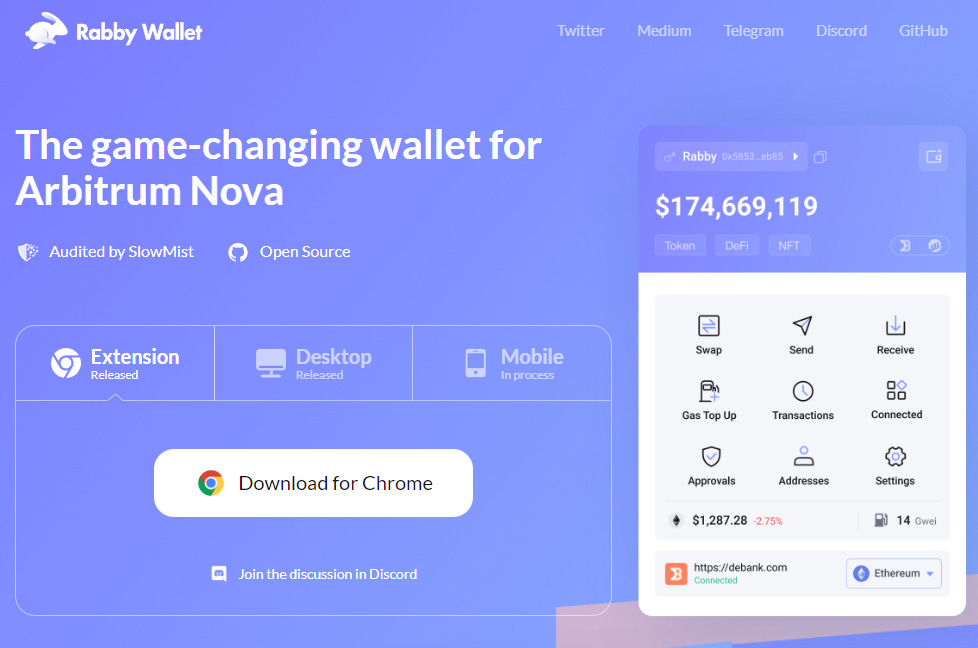
When I tried rabby wallet I noticed a few pragmatic touches right away. The approval flow highlighted token allowances and suggested safe limits. The network switching behavior felt deliberate and predictable. Something about the microcopy reduced that “uh-oh” hesitation before you hit confirm. I’m biased, but a clean approval UI reduces costly mistakes. Also, the extension handled uncommon testnets without collapsing or losing state, which is a practical relief.
Whoa! The feature set matters. Medium-range things like built-in token lists, per-site permissions, and gas control are table stakes now. Longer-term, I value auditability and open-source roots because they let the community vet security. On one hand closed-source wallets can iterate faster. Though actually open-source code invites scrutiny and often finds bugs faster, which matters for custodial risk. My process now includes reading changelogs and contributor notes before I commit funds to any new wallet.
Performance counts too. Short delays compound into a bad session. If a wallet takes five seconds to fetch balances, that feels slow. If it stalls during a bridging tx, you lose trust. I measured response times across networks, and the delta surprised me. Some wallets hit remote nodes inefficiently. Others cache smartly and stay snappy. There’s no magic here—engineering choices show through under load. (Oh, and by the way…)
Security ergonomics deserve a whole section. Really? Use time-limited allowances wherever possible. Revoke approvals after use. Prefer wallets that nudge users to set reasonable token allowances automatically. If a wallet presents a “one-click max approve” as the default, that alone is a red flag for me. My instinct said to avoid such defaults, and repeated testing confirmed that attackers harvest long-lived approvals relentlessly. Practical steps like built-in approval managers make a huge difference when you handle many tokens across several chains.
Now for multi-chain quirks. Chains are not equal. Each one has different gas models, error propagation, and RPC reliability. A wallet that flattens these differences will mislead users. Longer thought: the best extensions expose subtle chain differences through clear UI affordances, such as showing pending nonce conflicts, gas estimation confidence scores, and a readable origin for each call. Initially I underestimated how often poor chain handling caused user errors, but after a few lost transactions I changed my workflow.
Trust but verify. Seriously? Use hardware wallet integration whenever possible. Import keys sparingly. Employ seed phrase hygiene. I’m not preaching fear; I’m advocating practical routines. For example, I keep a separate browser profile for experimental dapps. It’s tedious, sure, but it saved me from an ugly phishing script once. Small habits compound into safety margins over time.
Mobile vs. extension debate comes up a lot. My stance is pragmatic: extensions offer richer UX and faster debugging, while mobile wallets win on convenience and biometrics. On the other hand, syncing approaches and deep linking matter if you bridge between them. Actually, I rely on an extension-first workflow for heavy trading and a mobile wallet for day-to-day swaps. That division works for me but might not suit everyone.
Here are quick heuristics I use before committing significant funds to any extension wallet. Short checklist time. Does it limit approvals by default? Does it show contract call details? Can it integrate with a hardware signer? Does it recover cleanly across browser restarts? Is it transparent about telemetry and permissions? If the answer is “no” to two or more items, I proceed with caution. These checks are simple but often ignored by casual users.
FAQ
How do I reduce approval risk?
Set token allowances to minimal amounts. Revoke unused approvals regularly. Use wallets that let you edit allowance values before confirming a transaction. My habit: approve small amounts first, then bump if needed.
Can a browser wallet be as secure as a hardware wallet?
Nope, not inherently. Hardware wallets isolate private keys. But good extensions can help mitigate risk through better UX, per-site isolation, and approval management. For high-value operations, hardware signing is still best.
Should I switch to a new wallet right away?
Not necessarily. Try a staged migration. Move a small test sum first. Use sandboxes and testnets. If the wallet survives real-world usage and your workflow, then migrate larger balances. This approach saved me from a couple of dumb mistakes.